

The latest figures from the Department for the Economy and the Northern Ireland Statistics and Research Agency (NISRA) show that for the 12-month period ending June 2024, 45.8% of total metered electricity consumption in Northern Ireland was generated from metered renewable sources located in Northern Ireland.
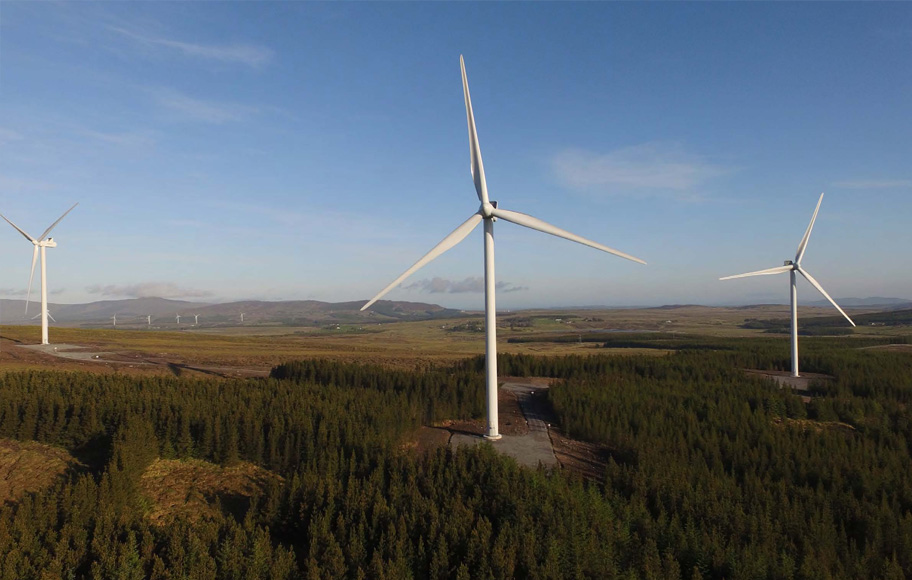
This is a reduction of over 5% when compared with 2022 figures and means Northern Ireland must significantly increase its levels of renewable energy generation between now and 2030, and projects like the proposed Meenakeeran wind farm and battery energy storage scheme are urgently required to help make this happen.

A secure and reliable electricity supply is essential not only for homes across Northern Ireland, but businesses, too. Increasing the amount of electricity we generate locally will make us less reliant on energy supplies from other countries and continents. This is a safe and sustainable way of helping to ensure we have all the energy we need to meet demand in the years ahead.
Increasing the amount of electricity generated locally also lessens our exposure to volatile global fossil fuel prices, which is often the reason for increases in the cost of energy. A new report by Baringa Management Consulting entitled ‘Renewable Rewards: How you save from the switch to renewable energy’ showed that between 2020 and 2023 renewable electricity saved each consumer £160 off their bills.

Renewable energy projects also support local groups and organisations through community benefit funds. These are often in rural, underfunded areas that otherwise struggle to attract the support they need.
Renewable NI figures show that renewable energy projects currently generate circa £3 million per year in rates to Derry City and Strabane District Council; this figure will grow further as new projects are progressed to meet the 80% renewable electricity by 2030 target.
Tel. 028 9091 8241
meenakeeran@belmont-strategy.com
Meenakeeran Wind Farm, Belmont Strategy, Scottish Provident Building, 7 Donegall Square West, Belfast, BT1 6JH